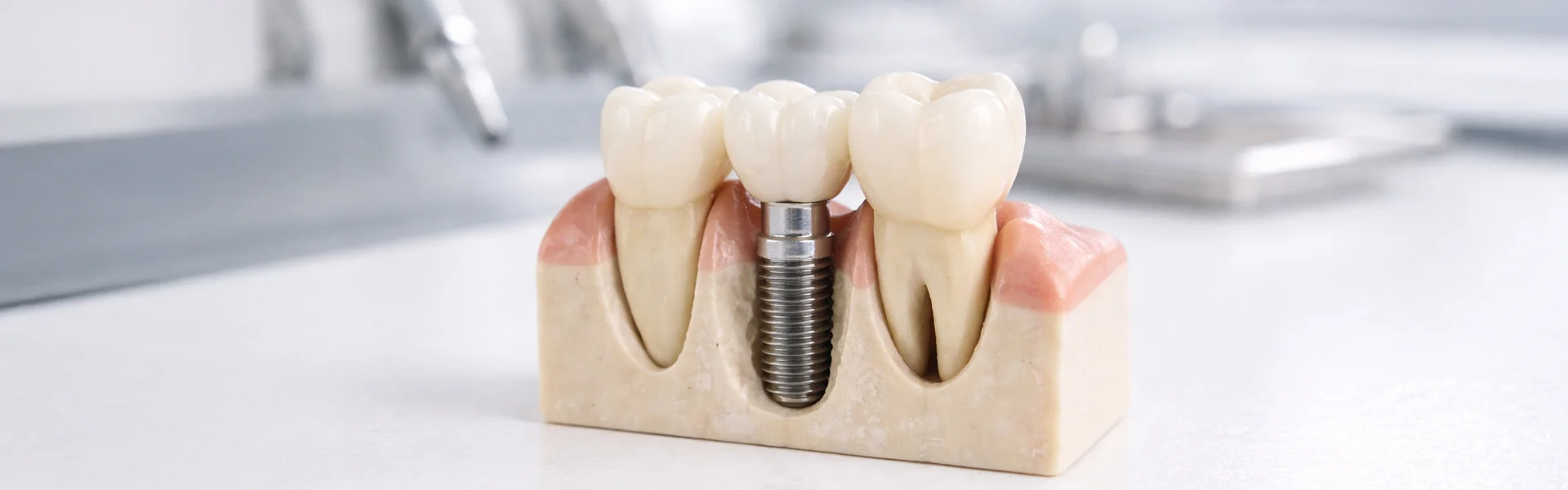

You finally decide it’s time to replace a missing tooth with dental implants. Then your dentist says something unexpected: you may need a bone graft first. That news can feel disappointing at first, but in many cases, it simply means your jaw needs a stronger foundation before implants can be placed. If you’ve been searching for “bone grafts near me”, understanding why this procedure is sometimes recommended can help you move forward with confidence. A healthy jawbone is the foundation of a secure, long-lasting implant, and rebuilding lost bone is often the first step toward restoring your smile.
What Is a Bone Graft and Why Is It Important for Dental Implants?
Understanding Bone Grafting
A bone graft rebuilds areas of the jaw where bone has been lost. This procedure encourages bone regeneration, allowing new bone to develop and strengthen the treatment site.
Bone loss commonly occurs because of:
- Missing teeth
- Advanced gum disease
- Facial injuries
- Severe dental infections
When enough healthy bone is present, implants have a stronger foundation for long-term success.
Why Healthy Jawbone Matters for Implant Success
Dental implants depend on adequate jawbone density for stability. During healing, the implant fuses with surrounding bone through osseointegration.
If the bone is too thin or weak, implant placement may become less predictable. Digital X-rays and 3D CBCT imaging help dentists evaluate bone volume and determine whether dental implant preparation should include grafting.
Sign #1 – You’ve Been Missing a Tooth for a Long Time
How Bone Loss Occurs After Tooth Loss
Your jawbone stays healthy because chewing stimulates it every day. Once a tooth is missing, the stimulation disappears, and the bone gradually begins to shrink.
The American Academy of Implant Dentistry notes that noticeable jawbone loss can occur during the first year after losing a tooth.
Why This Can Affect Dental Implant Placement
Dental implants require enough surrounding bone for support. When replacement is delayed, Bone grafting for implants may be recommended to rebuild lost volume before implant surgery.
Sign #2 – You Have a History of Gum Disease
The Impact of Periodontal Disease on Jawbone Health
Advanced periodontal disease destroys the tissues and bone that support the teeth. Without treatment, teeth may loosen, and the surrounding bone may continue to deteriorate.
This type of bone loss treatment often begins with controlling infection before rebuilding damaged areas.
Restoring Bone After Gum Disease
A dental bone graft may restore areas where periodontal disease has reduced bone support. Before implants are considered, your dentist will ensure gum tissues are healthy and stable.
Sign #3 – Your Dentist Says There Isn’t Enough Bone for Implants
What a Dental Evaluation Reveals
A comprehensive evaluation includes:
- Digital X-rays
- Three-dimensional imaging
- Bone height assessment
- Bone width measurement
- Overall bone quality evaluation
These findings help determine whether implants can be placed immediately or if additional treatment is advisable.
Bone Grafting as a Solution
Treatment recommendations depend on your jawbone, overall oral health, and long-term goals. A bone grafting dentist develops a personalized treatment plan based on your anatomy, oral health, and restorative goals.
Sign #4 – You Wear Dentures and Have Experienced Jawbone Shrinkage
Why Denture Wearers Often Experience Bone Loss
Traditional dentures replace missing teeth but do not stimulate the jawbone. Over time, this can result in gradual bone shrinkage and changes in facial appearance.
Preparing for Implant-Supported Restorations
When bone volume has decreased, grafting may restore the foundation needed for implant-supported dentures. Some eligible patients may also benefit from All-on-4 treatment, depending on their available bone and clinical evaluation.
Sign #5 – You’ve Experienced Facial Trauma or Significant Tooth Damage
How Injuries Can Affect Jawbone Structure
Accidents, severe infections, or extensive tooth damage may compromise bone integrity. In these situations, rebuilding the jaw may be necessary before permanent tooth replacement.
Rebuilding the Foundation for a Healthy Smile
Restoring bone supports future restorative care while helping improve facial support, chewing efficiency, and overall oral function.
Benefits of Bone Grafting Before Dental Implants
- Improved Implant Stability
A stronger foundation helps implants remain securely anchored.
- Increased Long-Term Implant Success
Healthy bone supports predictable healing and long-term function.
- Preservation of Facial Structure
Replacing lost bone helps maintain natural facial contours.
- Better Oral Function and Chewing Ability
Stable implants often improve comfort during eating and speaking.
- Expanded Treatment Options for Patients with Bone Loss
Even patients with reduced bone volume may become candidates for implant therapy after grafting.
Types of Bone Grafting Procedures Your Dentist May Recommend
Ridge Augmentation – Rebuilds narrow jaw ridges before implant placement.
Socket Preservation – This procedure helps preserve the jawbone immediately after a tooth is extracted, making future tooth replacement easier.
Sinus Lift Procedures – Adds bone beneath the sinus when upper back jawbone height is limited.
Major Bone Reconstruction – Used for extensive jawbone restoration following significant bone loss or trauma.
What to Expect During the Bone Grafting Process
- Initial Consultation and Imaging
Your dentist reviews your health history and evaluates the jaw using advanced imaging.
- Personalized Treatment Planning
Treatment is customized according to bone condition and future implant goals.
- Bone Graft Placement Procedure
The graft material is carefully placed where additional bone support is needed.
- Healing and Osseointegration
Over several months, the graft gradually integrates with your natural bone before implant placement. Healing can take different amounts of time depending on the size of the graft and where it is placed.
Recovery Tips After Bone Grafting
- Managing Swelling and Discomfort
Use prescribed medications and cold compresses as directed.
- Following Dietary Recommendations
Choose soft foods while avoiding excessive pressure on the surgical area.
- Maintaining Proper Oral Hygiene
Keep the area clean while following your dentist’s post-operative instructions.
- Attending Follow-Up Visits
Regular appointments allow your dentist to monitor healing and determine when implant placement is appropriate.
When to Schedule a Bone Grafting Consultation
Consider scheduling an evaluation if you:
- Are planning dental implants
- Have experienced jawbone loss
- Recently had a tooth removed
- Were previously told implants were not possible
Early evaluation helps your dentist determine the most appropriate treatment pathway.
Final Thoughts
Even if you’ve experienced bone loss, you may still be a candidate for dental implants. Modern grafting techniques have made tooth replacement possible for many people who were once considered unsuitable candidates. If you’re searching for “bone grafts near me”, a professional evaluation can determine whether bone grafting is the right step before implant treatment. At Bayou Vista Dental, comprehensive imaging and personalized treatment planning help determine whether bone grafting in Bayou Vista, TX, is the right step before implant placement, giving you the confidence to pursue lasting tooth replacement.
Frequently Asked Questions
A dental examination with digital imaging determines whether your jawbone has enough density and volume to support implants.
Yes. Some patients have adequate bones naturally. Others may require grafting if significant bone loss is present.
Most patients experience mild discomfort. Local anesthesia and, when appropriate, sedation help make the procedure comfortable.
Healing commonly takes several months before implant placement, although timing varies by individual.
Common causes include missing teeth, advanced gum disease, trauma, infection, and long-term denture wear.
Yes. Rebuilding lost bone often creates the stable support needed for successful implant treatment.
Depending on your oral condition, options such as All-on-4 implants may reduce the need for grafting. After examining your jawbone and overall oral health, your dentist can recommend the treatment that’s most appropriate for you..